## GraphQL federation on the edge
## GraphQL Federation: WHY?
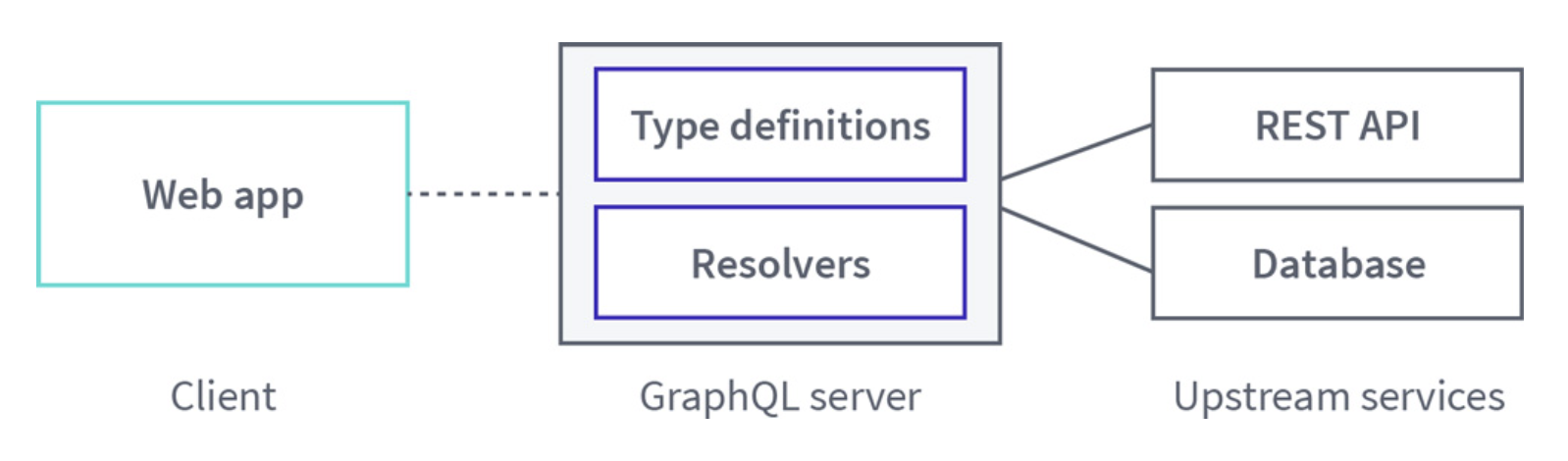
- This is where all applications start
- Perfect for simple application
- Great to have a unified view of the data
## THE MONOLITH

- As the application grows, it starts to tangle more and more
- Multiple teams working on it, with risk of type duplications, and moving slower
## BFF

- Good developer experience, domain separation
- Duplicate effort, missing an unified view of the data
## Apollo Federation: Concepts

- The gateway is the entry point of each request and coordinates all the subgraphs
- What is a subgraph? It's an instance of @apollo/subgraph. For example, In SE we got disco, se and assessment subgraphs
## Apollo Federation: Concepts
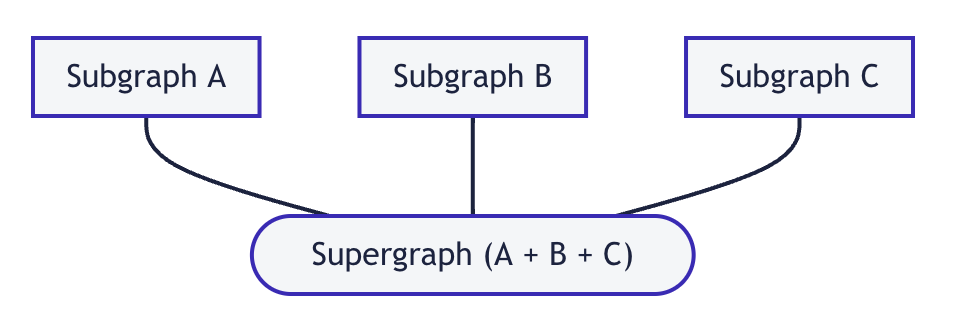
- In a federated architecture multiple subgraphs are federated into a single "supergraph" on the gateway
- Easy to merge different types, but what about extending?
## Apollo Federation: Entities
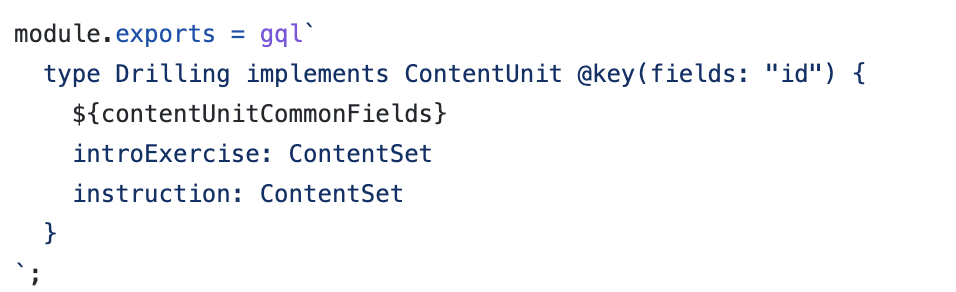
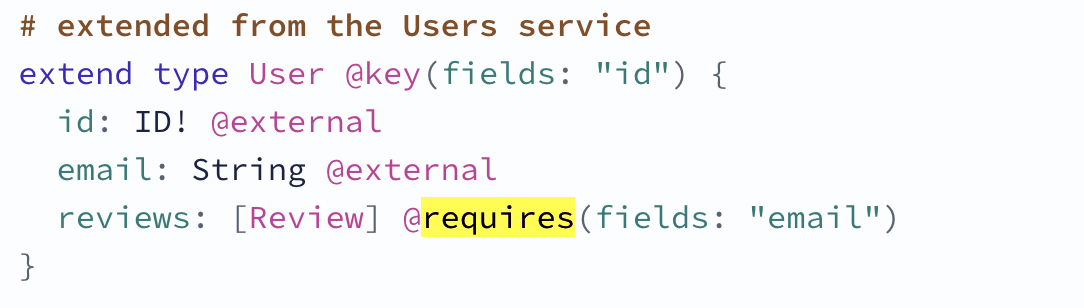
- An entity is an object type that you define in one subgraph and you extend and reference in other subgraphs
- In apollo, you can define an entity by using the `@key` directive
## Apollo Federation: Entities
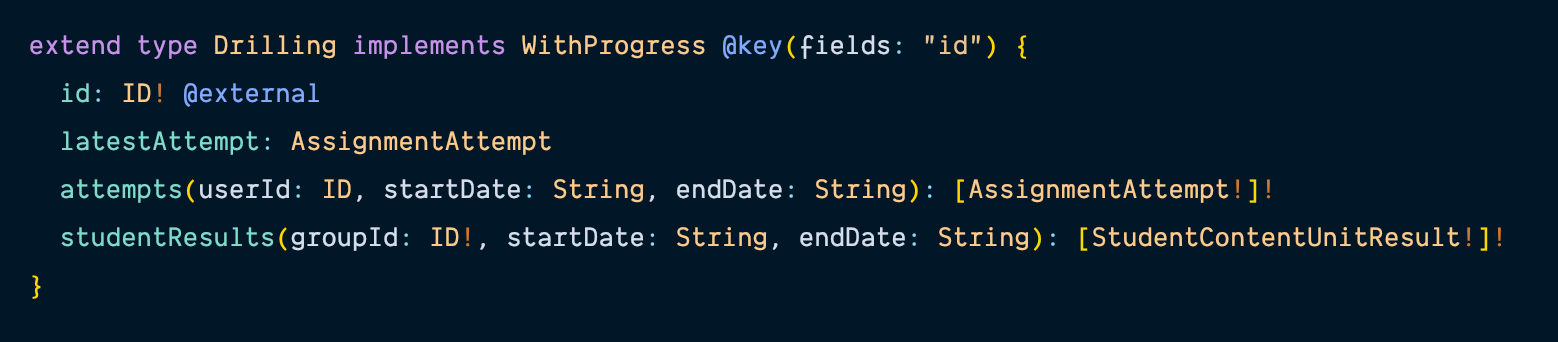
- SE subgraph extends the type from Disco
- SE needs also resolvers for the fields it provides
## Apollo Federation: Entities
- Merged type in federation

## Apollo Federation: Concepts

## INNER WORKINGS
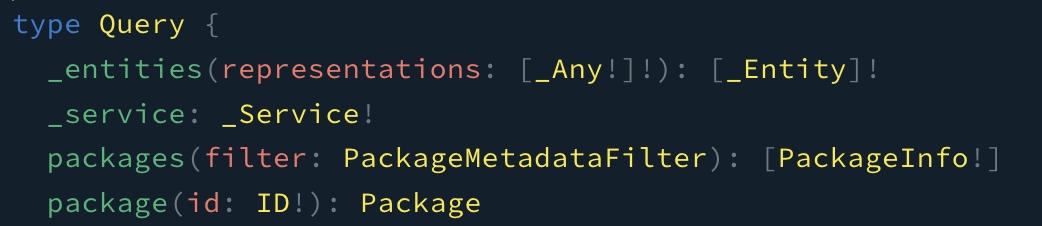
- Transforming the server to a subgraph, it will provide a _service and a _entities query
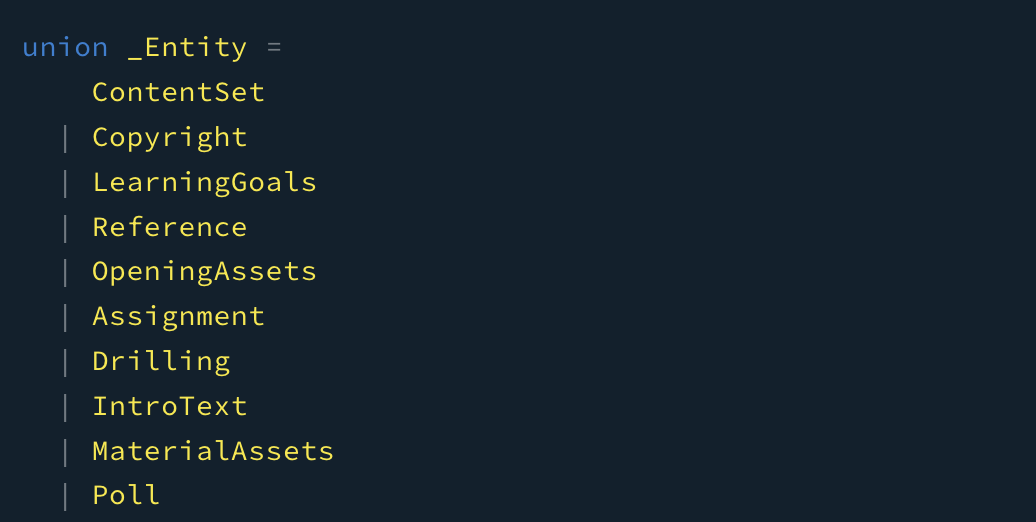
## How data is queried

- We query for any type specifying the required keys and the typename
- Use the `...on` sytax to query the fields of the specific type
## So are we using apollo federation?
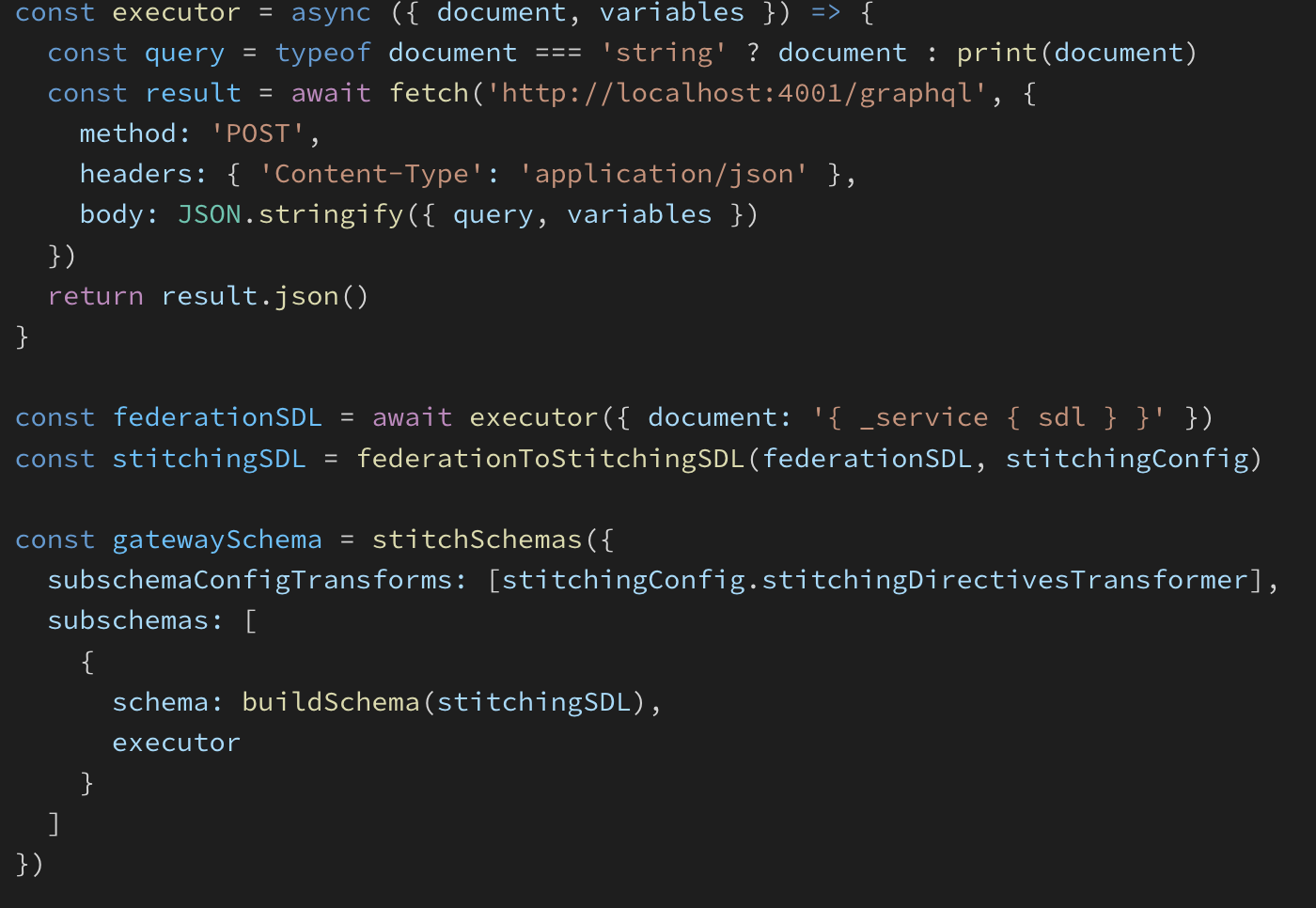
- Only on the subgraphs, the gateway is using @graphql-tools stitching
- Reasons: smaller bundle size & less bloated, more powerful, runs smooths on workers
- Compatible with apollo federation (not to be confused with the "old" stitching)
## How does graphql-tools stitching works?
- Remote schemas that threats remote endpoints as if they were local executable schemas
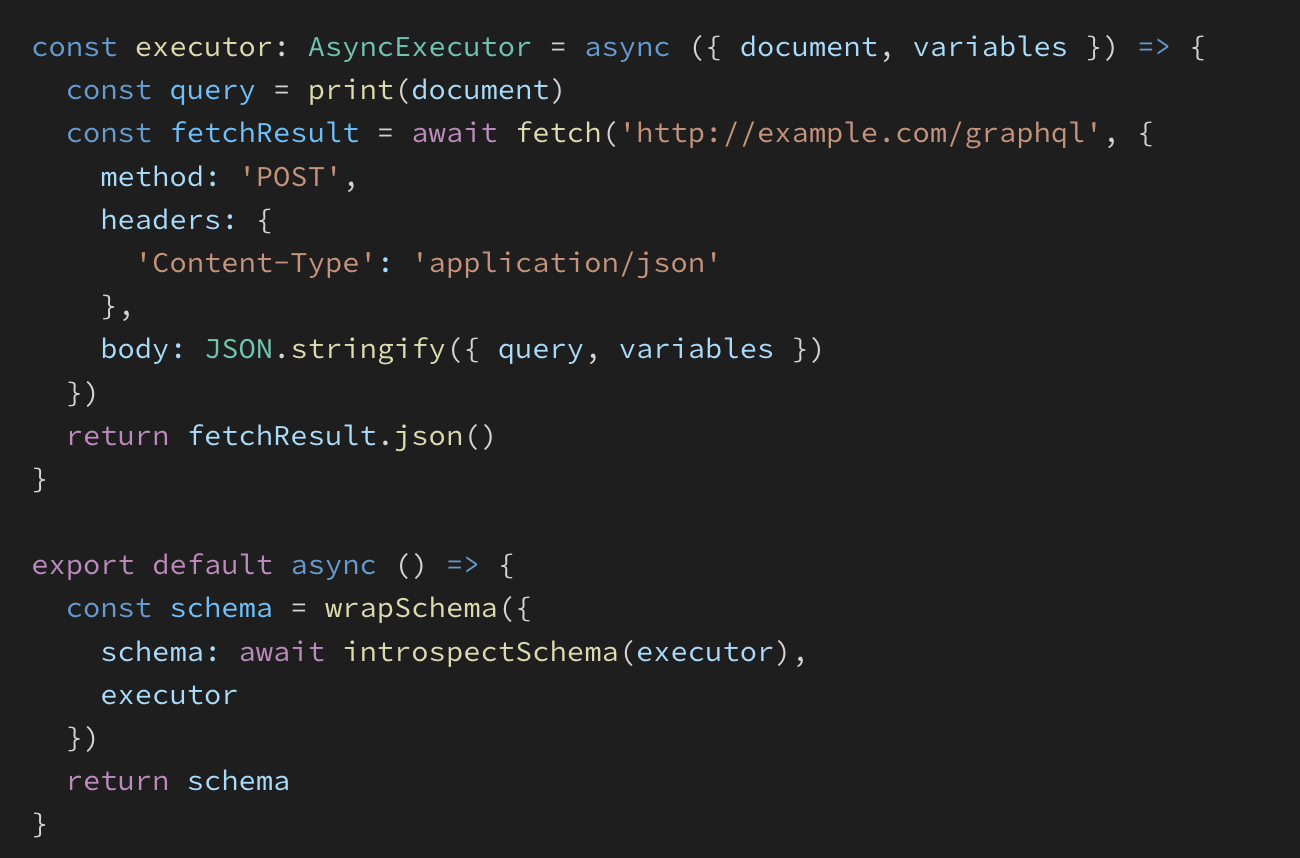
## How does graphql-tools stitching works?
- Stitching schemas together will create a single schema like on apollo federation
- Some minor conversion needed for the directives
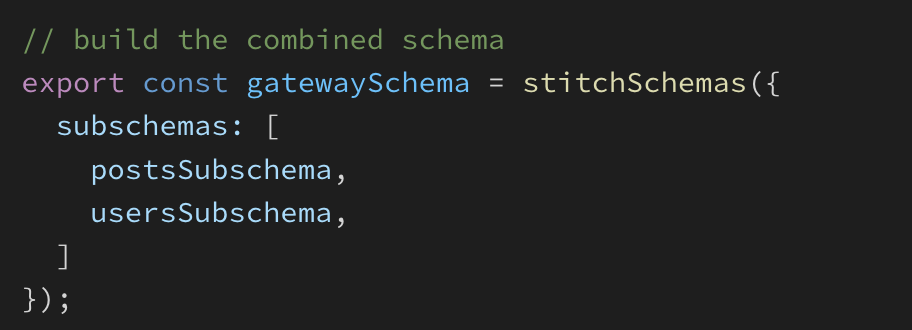
## Full stitching example
## Pitfalls
- Think about the federation when designing queries and entities, you could easily trigger multiple subgraph requests
## Pitfalls
- Avoid breaking changes, with federation you could break the graph for everyone
- Be careful about enums, interfaces, inputs with the same names (we have some things in place to prevent this)
## Cloudflare workers: Pros
- All the serverless goodies (autoscaling, easy deployments, global network)
- 0ms cold start
- Edge storage KV builtin
- 1/10th the cost of other serverless platforms
## Cloudflare workers: Differences
- Does not support lots of node builtin modules (so we had to reimplement things like apps insights)
- Testing environments required some work (ie: kv mocks, call interception, cron tiggers...)
- Still cutting edge, so more functionalities added, tooling changes, best practices not obvious etc.